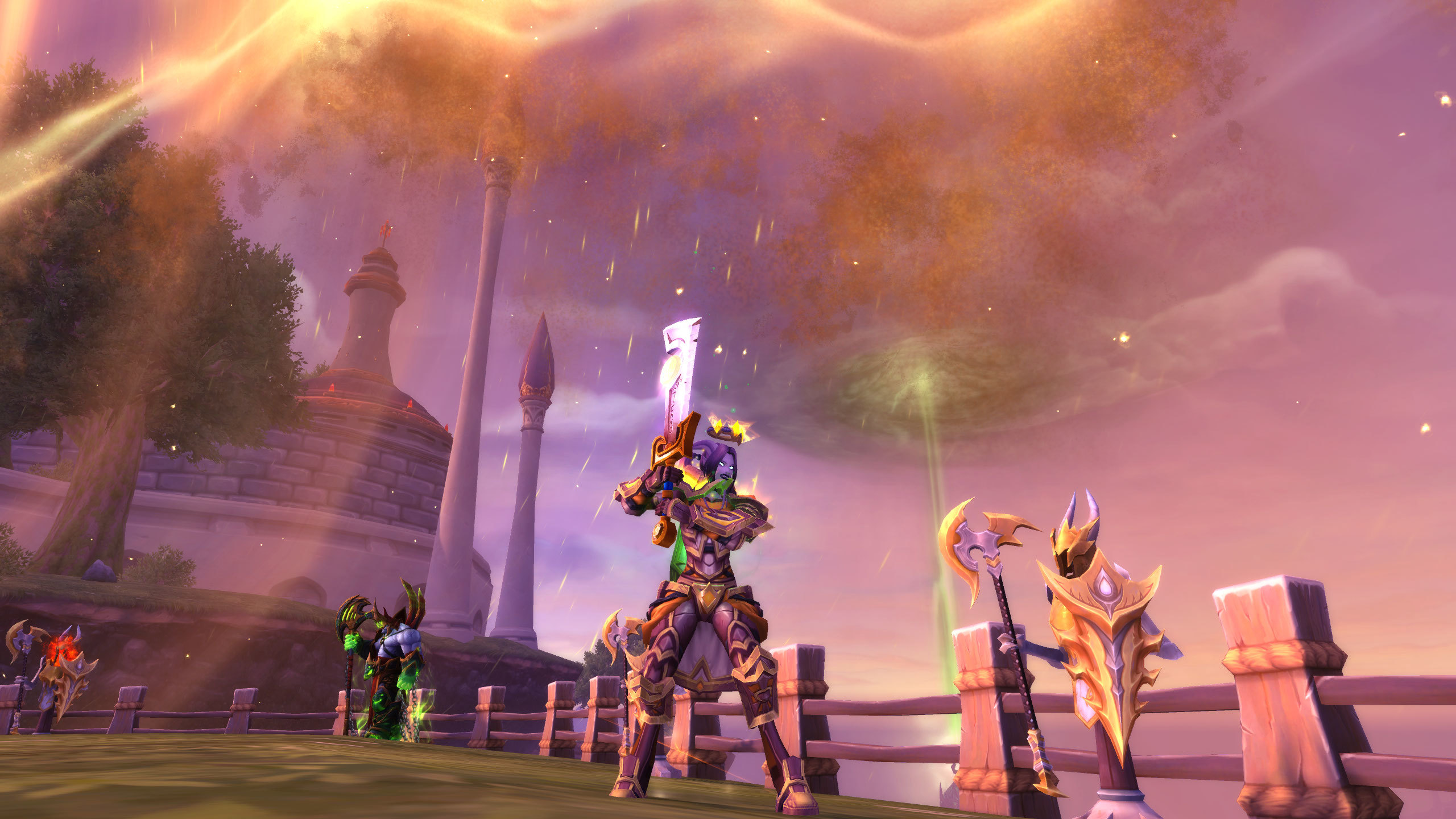
Few things in World of Warcraft carry as much prestige as legendary weapons. These aren’t just tools—they’re symbols of triumph, history, and dedication. Each one represents an era, a hero, and a story worth retelling. From blades forged in the fires of Blackrock to staves that shaped time itself, these legendaries are more than rare loot—they’re living pieces of Azeroth’s lore.
This article explores the most iconic legendary weapons in WoW’s history, how players earned them, and the powerful tales that still echo through the years.
Thunderfury, Blessed Blade of the Windseeker
No weapon captures the early magic of WoW quite like Thunderfury. Forged from the essence of the Windseeker himself, this sword became a mark of ultimate prestige in Classic. Its lightning procs and distinct sound effect were unmistakable—even years later, players still announce “Did someone say Thunderfury?” as a running joke.

But beyond the memes, Thunderfury told a story of elemental balance and ambition—a relic born from chaos and claimed by mortals who dared to harness a storm.
Sulfuras, Hand of Ragnaros
The fiery counterpart to Thunderfury, Sulfuras represented raw power. Crafted from Ragnaros’s own hammer, it stood as the ultimate reward for those who conquered Molten Core. Its visual design, dripping molten energy, made it instantly recognizable—a trophy earned through patience and determination.
- Expansion: Classic
- Source: Ragnaros the Firelord
- Symbolism: Fire, domination, and elemental supremacy
Even now, wielding Sulfuras feels like holding the heart of Azeroth’s fiery soul.
Shadowmourne – The Blade of Frost and Sorrow
In Wrath of the Lich King, players received one of the most memorable crafting experiences ever: building Shadowmourne. Infused with the power of the Scourge, the blade’s creation mirrored Arthas’s own downfall. It required weeks of raiding Icecrown Citadel, collecting shards from the frozen depths of Northrend.
When complete, it unleashed devastating power, but its true strength lay in what it represented—a weapon born of darkness but used in defiance of it.
Dragonwrath, Tarecgosa’s Rest
Introduced in Cataclysm, this legendary staff was more than just a caster weapon—it was a tribute to one of Azeroth’s most beloved dragons, Tarecgosa. The questline leading to its creation took players deep into dragonkind’s history and their struggle to preserve balance amid chaos.
| Aspect | Meaning |
|---|---|
| Symbolism | Unity between mortal and dragonkind |
| Visuals | Ethereal blue aura and arcane trails |
| Legacy | Honors the Blue Dragonflight’s sacrifice |
Dragonwrath remains one of the most emotionally resonant weapons in WoW history—a tale of remembrance and magic intertwined.
Warglaives of Azzinoth – The Demon Hunter’s Legacy
Few legendaries are as iconic as the twin Warglaives of Azzinoth. Wielded by Illidan Stormrage and dropped in Black Temple, these weapons became instant legends both in lore and gameplay. For many, earning them wasn’t just about power—it was a rite of passage.
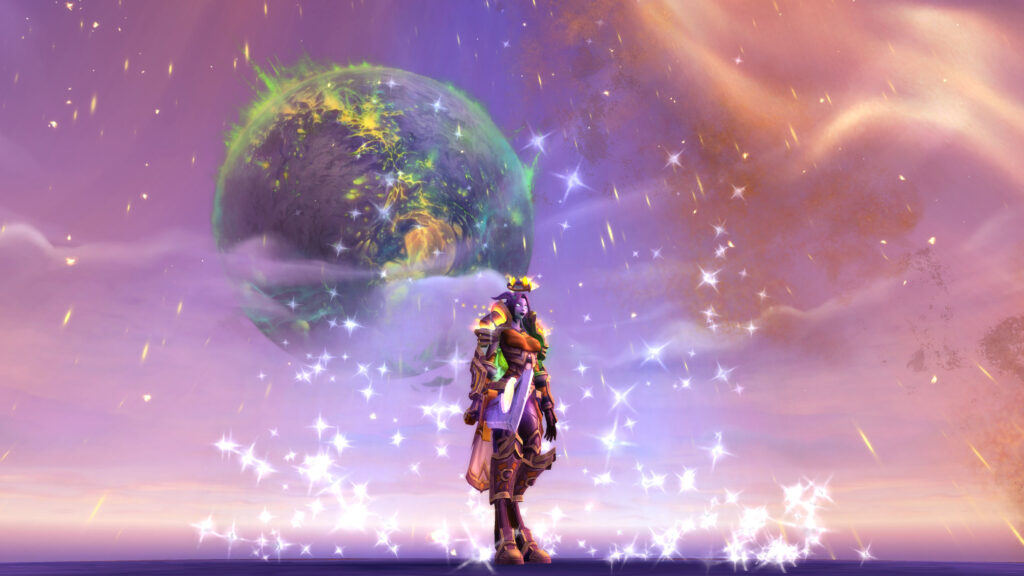
Their design, reflecting Illidan’s duality, symbolizes chaos and control, mastery and madness. They remain a visual hallmark of WoW’s golden age and a statement of identity for every Demon Hunter since their inception.
Legion’s Artifacts – Power With Purpose
When Legion arrived, Blizzard redefined what legendary meant. Each class received a unique Artifact Weapon tied to its story and culture. From the Ashbringer to Doomhammer, these weapons told personal stories rather than universal ones. Players didn’t just wield power—they carried history.
Though these Artifacts were temporary, they changed the philosophy of legendary items forever, proving that emotional connection matters as much as raw stats.
Conclusion
Legendary weapons in WoW are more than items—they’re stories written in steel, frost, and flame. They reflect the soul of the game: struggle, triumph, and identity.
Whether it’s Thunderfury’s spark or Shadowmourne’s sorrow, each weapon connects players to a moment in time, a raid, or a memory. These artifacts remind us that true power isn’t just about numbers—it’s about legacy.