
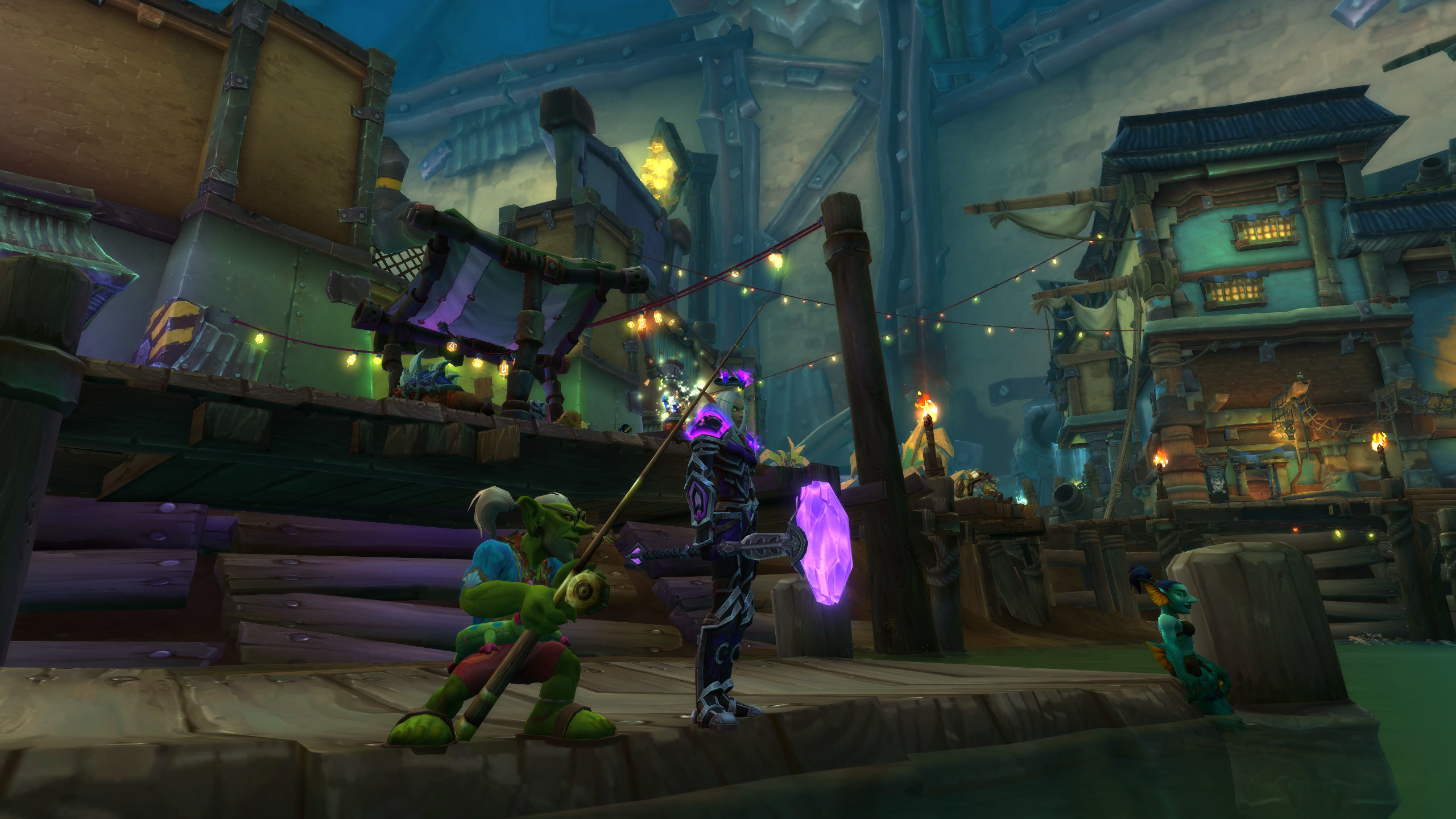
Modern dungeon design increasingly encourages strategic movement rather than static positioning. Encounters punish standing still and reward players who reposition intelligently as mechanics unfold.
This shift transforms dungeons into dynamic spaces. Movement becomes an active decision that influences survival, damage output, and group stability.
Mechanics Apply Continuous Spatial Pressure
Environmental hazards, targeted abilities, and rotating danger zones force players to remain mobile. Safe positions rarely last long.
This pressure ensures constant engagement. Players must track both enemies and terrain simultaneously to avoid cumulative damage.
Movement Becomes a Defensive Resource
Positioning now functions as a form of mitigation. Correct movement prevents damage rather than reacting to it afterward.
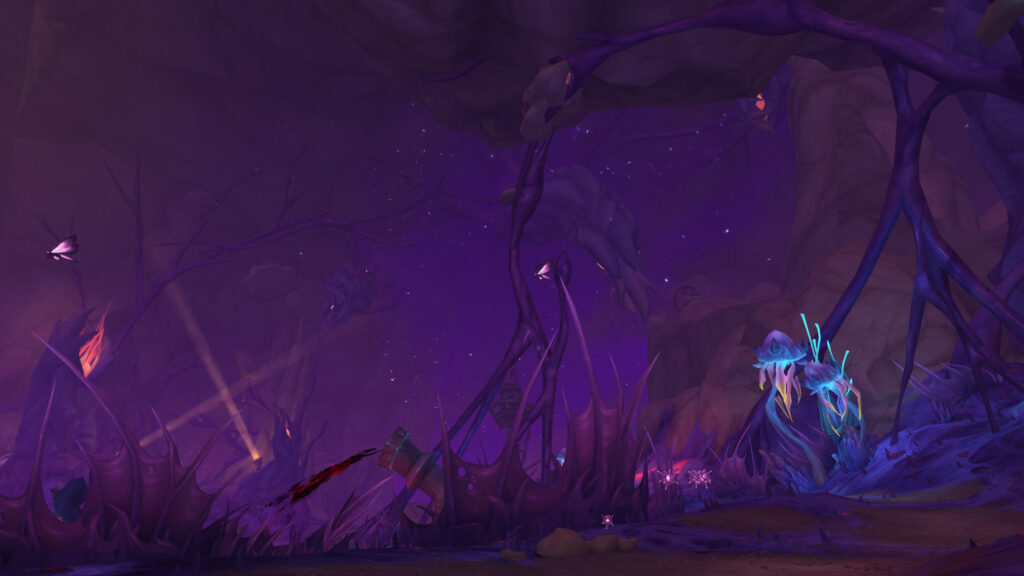
Groups that move cohesively reduce healer strain and preserve cooldowns for unavoidable threats.
Pathing and Positioning Influence Group Tempo
Where players stand affects pull safety, interrupt coverage, and line-of-sight control. Small positional errors often cascade into larger problems.
Strategic movement keeps encounters controlled, allowing groups to maintain tempo without unnecessary risk.
| Movement Choice | Immediate Effect | Long-Term Outcome |
|---|---|---|
| Static positioning | Short-term safety | Escalating danger |
| Reactive movement | Damage avoidance | Stabilized pressure |
| Planned repositioning | Clean execution | Resource efficiency |
| Poor movement | Chaos | High wipe risk |
Strategic Movement Raises Skill Expression
Movement decisions reveal encounter understanding. Skilled players anticipate where danger will appear next.
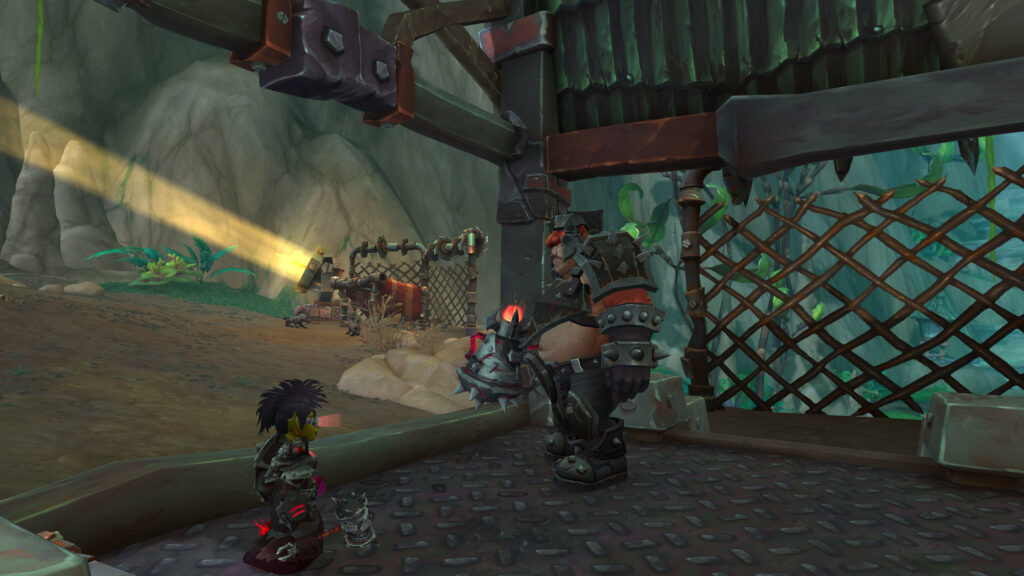
This anticipation separates mastery from reaction, rewarding awareness and foresight.
Conclusion
Dungeon design encourages strategic movement over static play by applying constant spatial pressure.
Groups that treat movement as a core mechanic achieve cleaner runs and more consistent success.